Start with the org chart
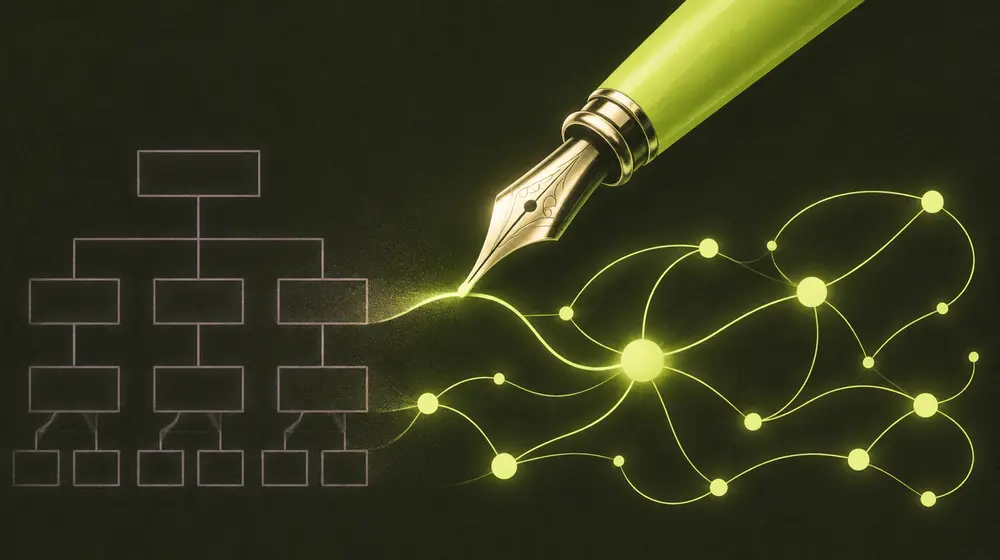
Look at your org chart for a minute. Every box on it is there because making something used to take a person. Someone to gather the research, someone to draft, someone to build the model, someone to lay it out, someone to check it, someone to sign it off. The chart is a map of production, drawn around the fact that production was slow and dear.
It is not slow or dear any more. A decent model drafts in seconds what took a junior a day. It builds in a minute the spreadsheet that took an analyst a week. And the price falls with every release. The boxes were drawn around a scarcity that is going.
That is the whole of my argument when I say an AI plan that does not start with the org chart has missed what AI is. The tools are an afternoon. The hard part is that half the roles in the building were defined by work the machine now does, and nobody at the top has said out loud what those roles are for now.
What does not get cheap? Experience: knowing what good looks like in your field. Access: the relationships, the data, the permissions no model can reach. Trust: the name people will take an answer from. Distribution: the audience already listening to you. And discernment, the knack of noticing when the machine is confidently wrong. It is wrong more often than its tone suggests.
One other thing stays expensive, and I think it decides who wins. Speed. How fast you learn a new tool. How fast you get it into real work. Whether you can unlearn the method you perfected last quarter when the next model makes it pointless. Every generation of models has been cheaper and more capable than the last. Lock your process to one of them and you are building for last year.
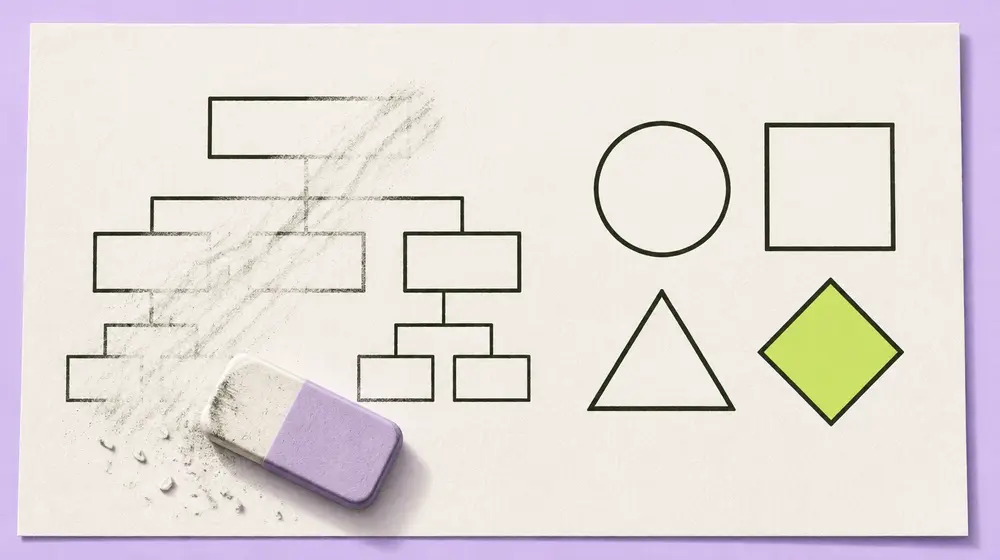
So the AI conversation at the top table is really a conversation about jobs.
- Which roles become mostly judgement.
- Who is the second reader on anything the machine drafts.
- What never goes into a chatbot, and who makes that stick.
- What the junior job becomes when the junior work is gone, because that is where your senior people used to learn.
I have had this conversation with hundreds of leaders now. It is awkward for about an hour. Then, oddly, it is a relief. A vague dread turns into a list of decisions, and decisions are the thing leadership teams know how to make.
Redraw the chart first. Then train people into the jobs they are actually going to have.
Talk to me about your organisation
A few lines on where you are is plenty. I reply within two working days.
Back to AI